
Miami, FL – Florida Secretary of State Cord Byrd announced the listing of the Pan American Airways Historic District in Miami on the National Register of Historic Places, recognizing its significant role in U.S. and world aviation history and architecture.
Located on NW 36th Street within the boundaries of Miami International Airport, the district encompasses five key buildings constructed for Pan American World Airways over several decades. These structures highlight distinct 20th-century architectural styles and served critical functions in airport operations, from pioneering hangars to advanced training facilities.
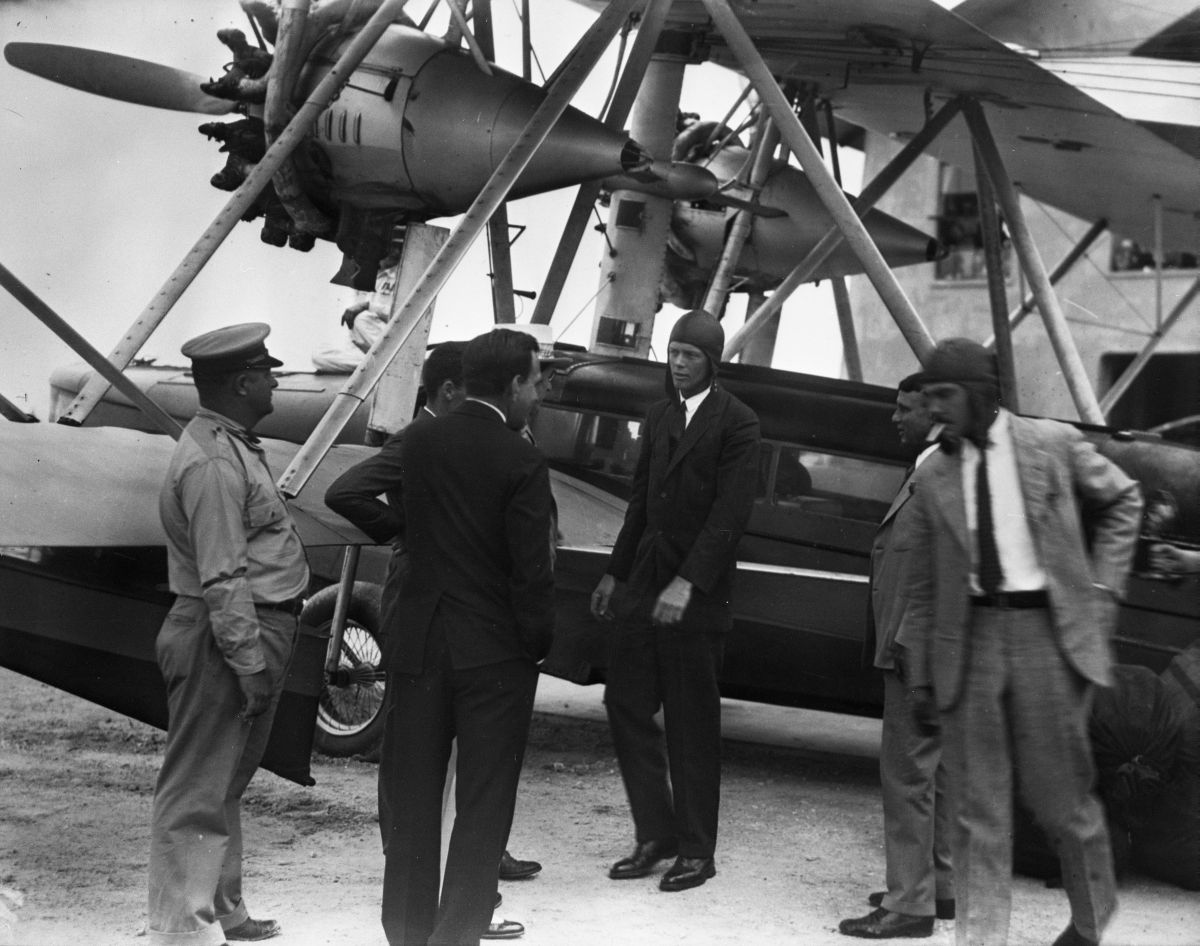
The district’s inclusion celebrates Pan Am’s pioneering contributions to commercial aviation. The airline chose Miami as its first permanent base, launching the nation’s first regularly scheduled international passenger routes to the Caribbean, West Indies, Central America, and South America. In 1929, the Pan Am facility became the first U.S. mainland port of entry for international air travel.
Historic Hangars and Wartime Contributions
Hangar 5, built in 1929, stands as one of the country’s earliest experimental hangar designs and the last surviving building tied to Pan Am’s founding era.
Hangars 6 and 7 form a massive double-hangar completed in 1943 by engineer Fred J. Gelhaus. The complex supported World War II pilot training and supply missions along the vital “Cannonball” route connecting the United States to Africa and Asia.
Mid-Century Expansion
In 1964, the Miami firm Steward-Skinner Associates designed the Latin American Division (LAD) Headquarters, locally nicknamed the “Taj Mahal.” The two-story concrete block office building exemplifies the New Formalist architectural style.
Also constructed during this period was the nearby Maintenance and Overhaul Complex, a large industrial facility incorporating Modernist design elements.
Advanced Training Facilities
The most recent addition to the district is the Flight Academy, built in 1980. This three-story Brutalist concrete block structure housed one of the era’s most advanced pilot and crew training programs.
All five buildings retain their historic integrity and character-defining architectural features.
A Lasting Aviation Legacy
Pan Am, a trailblazer in global aviation, was a major employer in Miami for decades and helped drive the region’s economic growth while advancing jet-age technologies.
Although the airline eventually ceased operations, the surviving facilities at its original Miami base provide a comprehensive record of its legacy—from early international flights and wartime service to postwar expansion.
The district’s listing on the National Register of Historic Places preserves an important chapter in the transportation history of Florida and the United States.